Material · Polyethylene (PE)
Polyethylene Rope
Soft, flexible and floatable — the standard fiber of the fishing and aquaculture industry, and a good choice for cold-weather or repeated-handling utility rope.
| Floats on water? | Yes |
|---|---|
| UV resistance | Moderate — better than unstabilized PP, still needs stabilization for years outdoors |
| Stretch behavior | Moderate to high elongation |
| Water absorption | Does not absorb water |
| Handling feel | Softer and more flexible than PP, slightly waxy surface |
| Property detail | |
|---|---|
| Specific gravity | ~0.95–0.97 — floats on water |
| Water absorption | Effectively none |
| Flexibility | Softer than PP; stays flexible at low temperatures |
| Abrasion resistance | Moderate |
| UV resistance | Moderate; UV-stabilized grades available |
| Relative cost | Low; slightly above PP for comparable products |
Polyethylene rope sits next to polypropylene in the economy segment but handles differently: it is softer, more flexible and keeps its suppleness in cold conditions. That is why the global fishing industry standardizes on PE for twines and utility lines that are coiled, knotted and net-mended by hand all day.
Like PP, polyethylene floats and does not absorb water, which makes PE rope and twine practical for aquaculture installations, buoys and marine utility work. Its tensile strength is generally lower than a comparable PP or polyester construction — for buyers the trade-off is handling comfort and price versus strength.
PE twine is most commonly supplied as monofilament twisted twine (for net repair and fishing) and as braided multifilament twine (for softer utility and marine use).
Best suited for
- Fishing and aquaculture: net repair twine, longline, cage mooring utility lines
- Utility rope that is handled frequently (softer on hands)
- Cold climates where rope must stay flexible
- Floating marine utility lines
Usually not the right choice for
- High-strength critical lines (nylon or polyester perform better)
- Applications needing very low stretch
- Safety-critical uses without certified specifications
Need a Polyethylene (PE) product quoted?
Send the target construction, diameter, length, quantity, packaging and application for review.
Constructions made from Polyethylene (PE)
3 Strand Twisted Rope
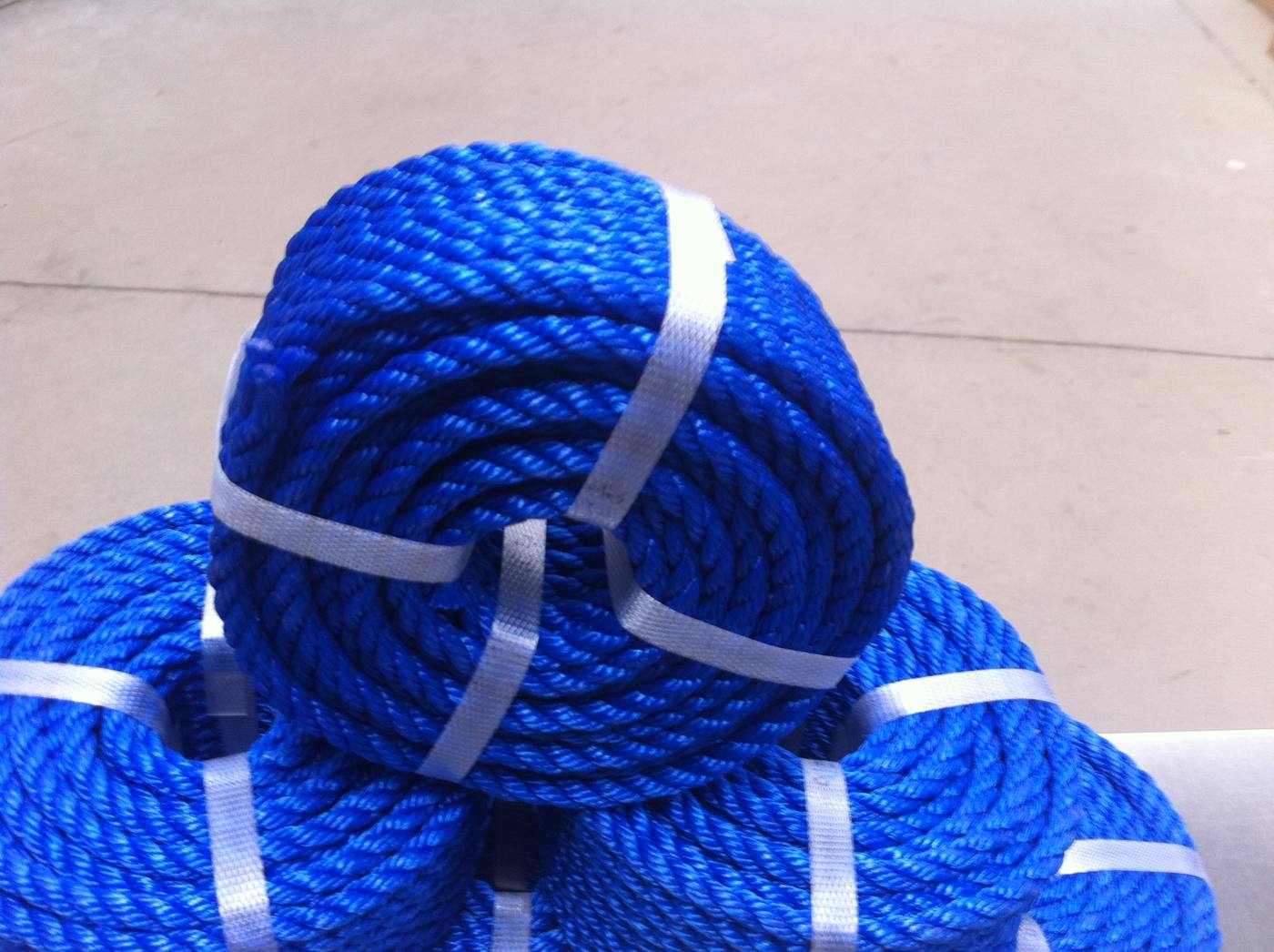
The classic rope construction: three strands twisted in a spiral. Economical, easy to inspect and the easiest construction to splice.
Diamond Braided Rope
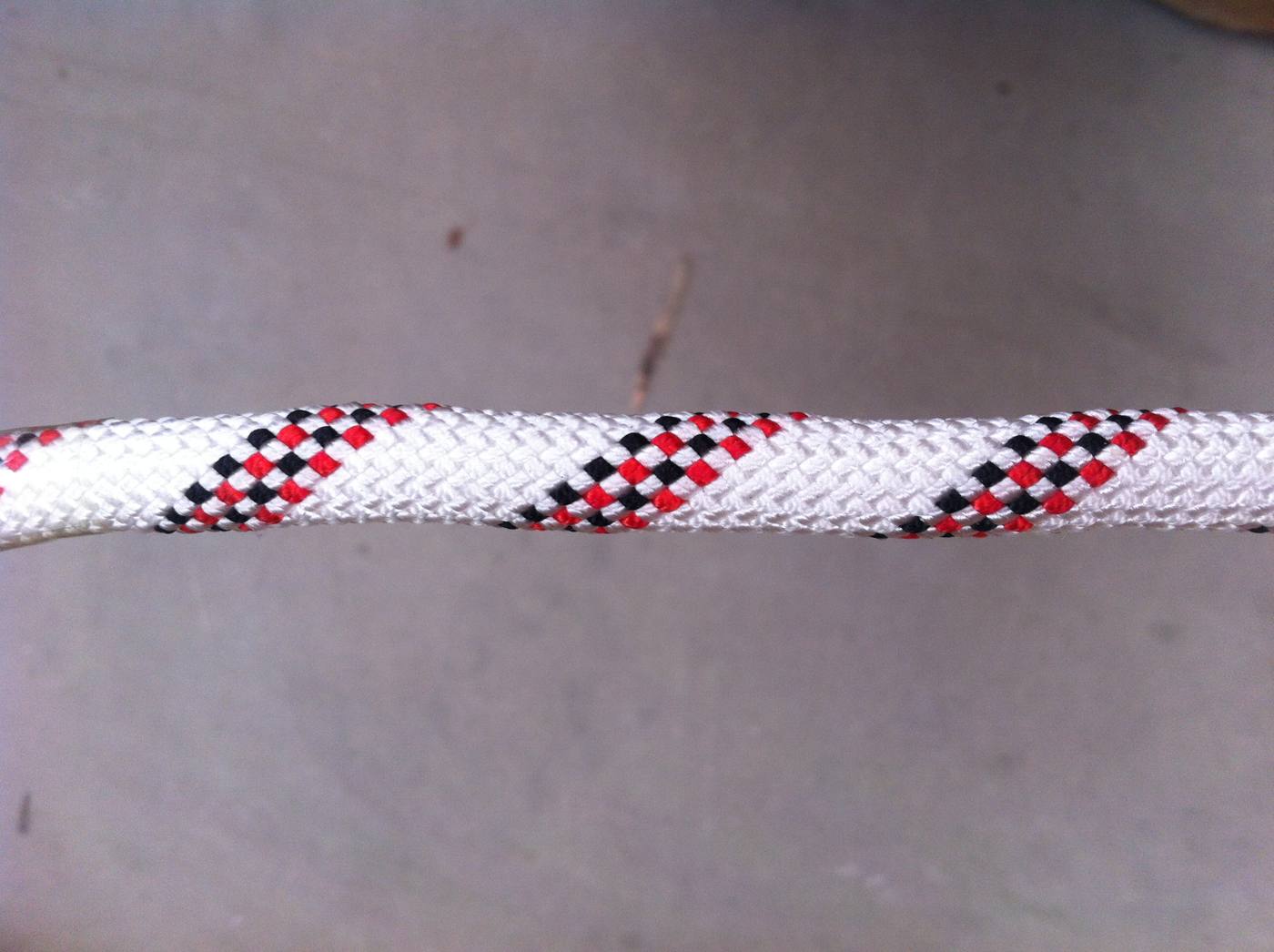
A flexible maypole braid, with or without a core. Soft handling, smooth surface — the everyday “hardware store” braided rope and utility cord.
Monofilament Twine
Twine twisted from round single filaments — stiff, abrasion-tolerant and rot-proof. The global standard for fishing net repair and aquaculture.
Multifilament Twine
Twine twisted or braided from many fine filaments — soft, flexible and knot-friendly. Used for marine utility, net making and soft-hand tying.
Products in Polyethylene (PE)
PE 3 Strand Twisted Rope
A flexible three-strand polyethylene rope for fishing, agriculture and general utility programs.
PE Monofilament Twisted Twine
Round polyethylene monofilaments twisted into a firm twine used for net making, repair, aquaculture and lacing.
PE / PP Multifilament Braided Twine
A soft, flexible twine braided from many fine PE or PP filaments.
PE Debris & Guard Netting
Tough polyethylene netting for construction debris containment, perimeter guarding and general site use.
Related reading
PP Rope vs PE Rope: What Is the Actual Difference?
Both float, both are cheap, both are everywhere — but polypropylene and polyethylene rope behave differently in hand, in cold and over time. A buyer's comparison.
Monofilament vs Multifilament Twine: Which Fishing & Utility Twine to Buy
Stiff round mono filaments versus soft bundles of fine fibers — how the two twine families differ in abrasion, knotting, hand feel and price, and how to specify each.
Which Ropes Float? Buoyancy by Material — and When It Matters
Polypropylene and polyethylene float; nylon, polyester and cotton sink. Why buoyancy decides marine, aquaculture and water-sport rope choices — with product links.