Construction · twisted
3 Strand Twisted Rope
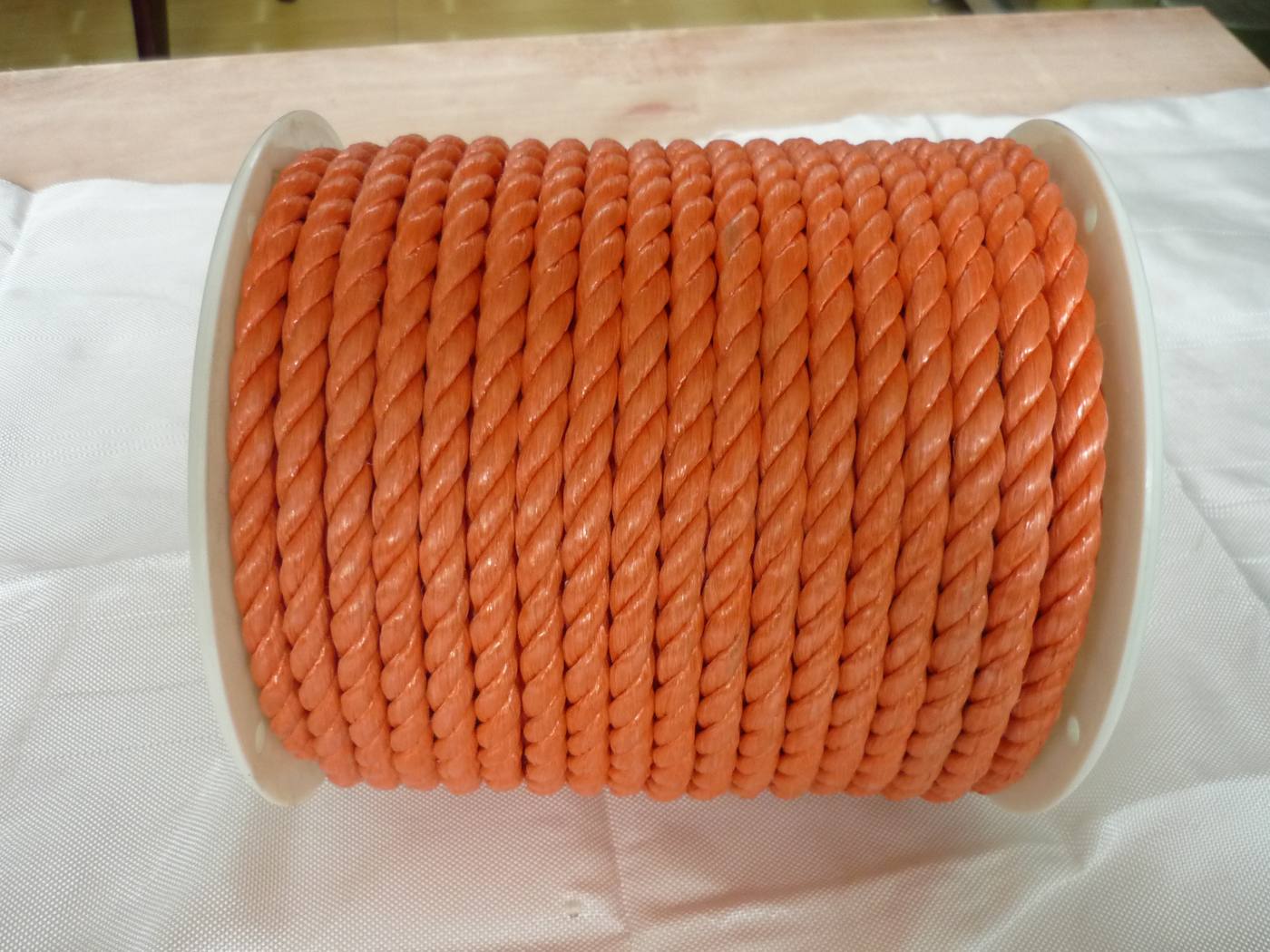
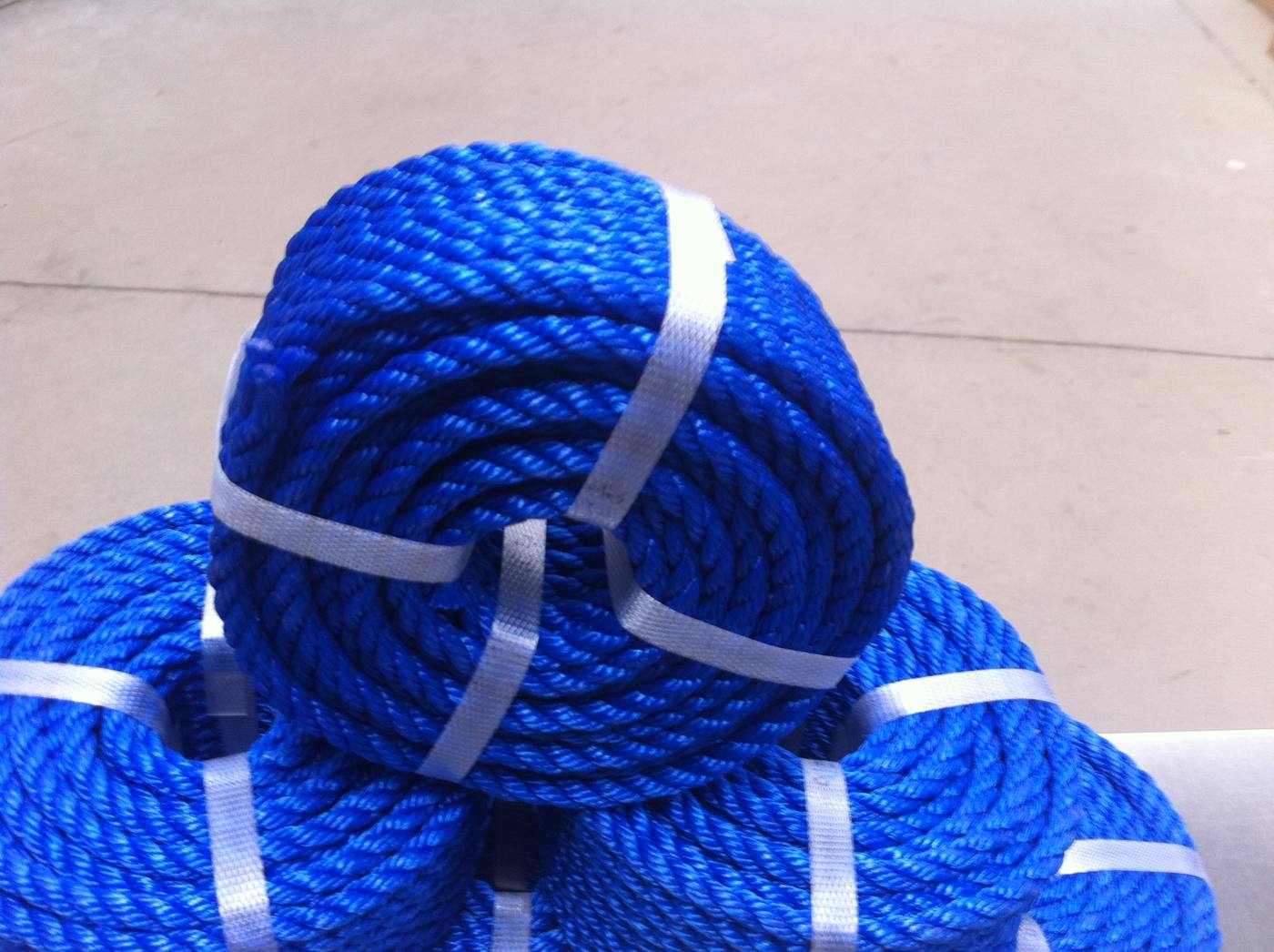
The classic rope construction: three strands twisted in a spiral. Economical, easy to inspect and the easiest construction to splice.
How it is built
Yarn is twisted into three strands, and the three strands are twisted together in the opposite direction (usually a right-hand “Z” lay). The balanced twist holds the rope together.
How it handles
Firm, slightly ridged surface; can rotate and kink if loaded when new and hard-laid. Easy to unlay for splicing — the traditional eye splice starts here.
| 4 mm – 60 mm (most common 6 – 32 mm) |
Structure illustration placeholder — technical drawing will be added.
Strengths
- Lowest cost per meter in most materials
- Easiest construction to splice and repair
- Damage is easy to see — strands separate visibly when worn
- Huge diameter range, available in every common fiber
Limitations
- Can kink and hockle if twisted against its lay
- Rougher surface than braided rope — less smooth over pulleys
- Rotates under load when one end is free
Common uses
Ready to discuss this product?
Send the target size, length, quantity, packaging and destination for specification review.
Common materials for this construction
Polypropylene Rope
The most widely used synthetic rope fiber: lightweight, floats on water, rot-proof and economical. The default choice for packing, marine utility and agriculture.
Polyethylene Rope
Soft, flexible and floatable — the standard fiber of the fishing and aquaculture industry, and a good choice for cold-weather or repeated-handling utility rope.
Nylon Rope
The strongest of the common synthetic rope fibers, with high elasticity that absorbs shock loads — the classic choice for anchor, mooring and dock lines.
Polyester Rope
Low stretch, excellent UV and abrasion resistance, keeps its strength when wet — the reference fiber for long-term outdoor and marine rigging.
Cotton Rope
Soft, natural and knot-friendly — chosen for decoration, crafts, pet products and packaging where hand feel and appearance matter more than strength.
Products with this construction
PP 3 Strand Twisted Rope
An economical three-strand polypropylene rope used for packing, transport, farm and general utility programs.
PE 3 Strand Twisted Rope
A flexible three-strand polyethylene rope for fishing, agriculture and general utility programs.
Nylon 3 Strand Twisted Rope
Three strands of high-tenacity polyamide twisted into the classic anchor and mooring rope.
Polyester 3 Strand Twisted Rope
A three-strand polyester rope considered for outdoor utility and marine applications where low stretch and weather exposure matter.
Cotton 3 Strand Twisted Rope
Soft, matte, natural cotton rope for decoration, crafts, pet products, gift and retail packaging — anywhere hand feel and appearance outrank strength.
PE/PP Mixed Utility Rope
A blended polyethylene/polypropylene twisted rope that softens the hand feel of economy utility rope while keeping the price competitive.
Jute 3-Strand Twisted Rope
A traditional natural-fiber rope: three strands of jute twisted into a soft, biodegradable line with the warm matte look of natural cordage.
Sisal / Hemp 3-Strand Twisted Rope
A stiffer, harder-wearing natural-fiber rope than jute — three strands of sisal (or true hemp) twisted into a coarse, pale gold line.
Related reading
Twisted Rope vs Braided Rope: A Buyer's Comparison
Twisted rope is cheaper and spliceable; braided rope handles better and never kinks. Which construction fits your application — and what each costs you.
How to Choose Rope Diameter (Without a Strength Table)
Diameter is about handling, hardware fit and abrasion allowance as much as strength. Practical diameter ranges by job — and why 'thicker' is not always 'safer'.