Construction · twine
Split Film Twine
Flat PP film split into ribbons and twisted — the cheapest way to tie things. The material of baler twine and economy packing twine.
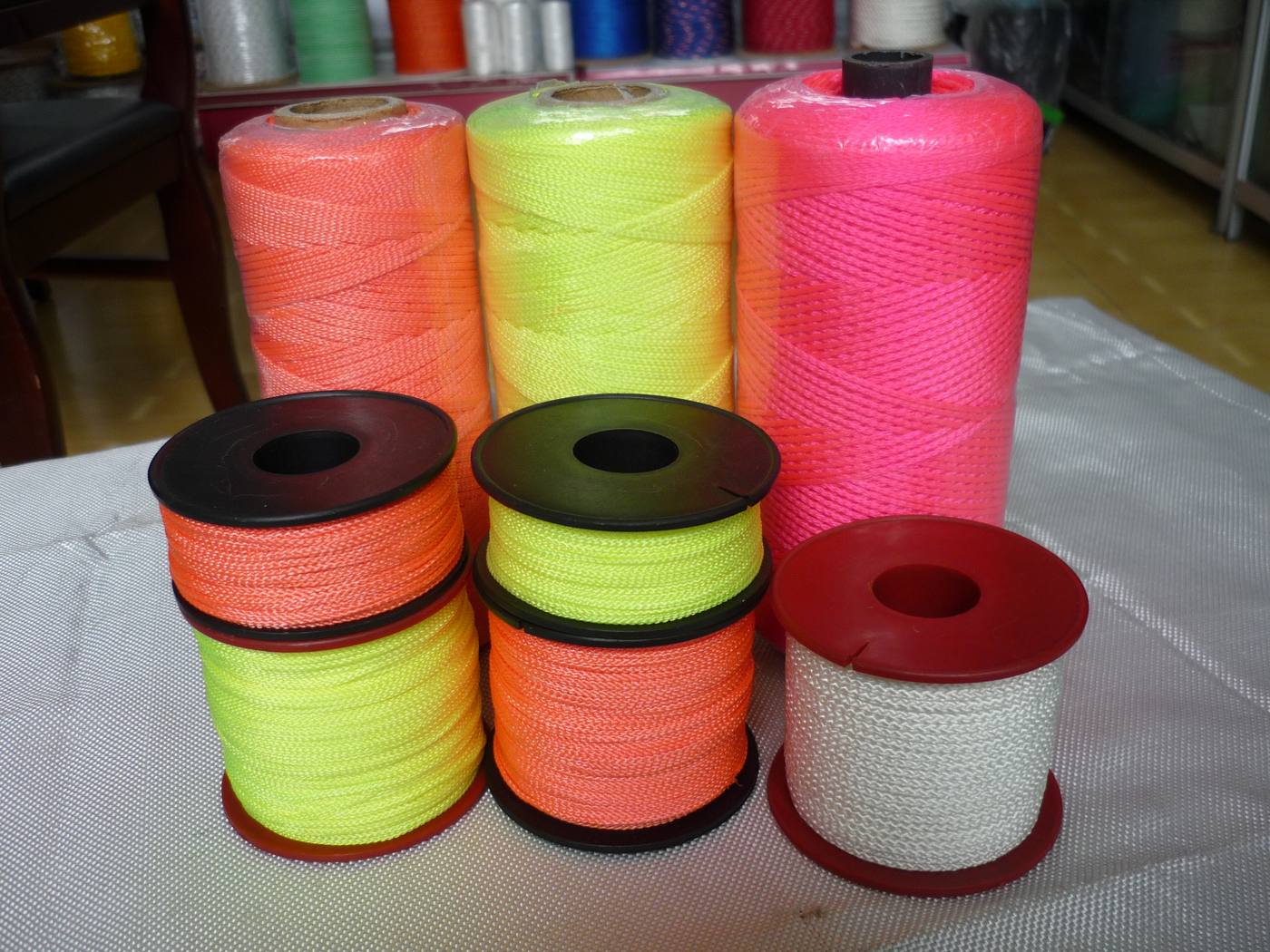
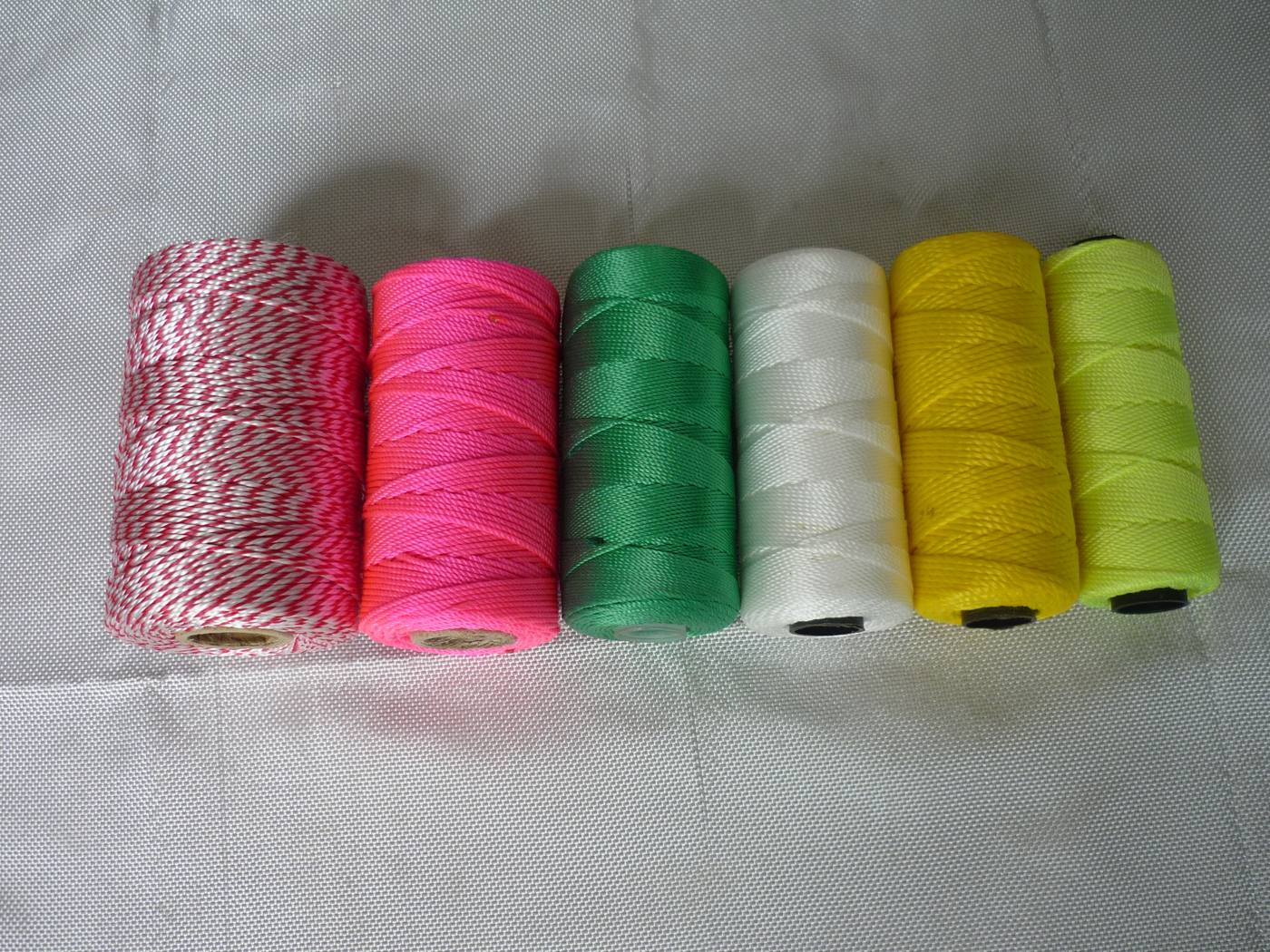
How it is built
Polypropylene is extruded as a film, slit into flat ribbons, fibrillated (optionally) and twisted into twine. Supplied in balls, spools and reels sized for baler knotters or hand use.
How it handles
Flat, slightly harsh hand; grips well in knots; runs reliably through baler knotter mechanisms when correctly sized.
| Runlength approx. 60 – 400 m/kg (twine size specified by m/kg rather than mm) |
Structure illustration placeholder — technical drawing will be added.
Strengths
- Lowest cost per tying point of any rope product
- Runs reliably in baler knotters (correctly specified)
- Rot-proof and moisture-proof for outdoor storage
- UV-stabilized grades for season-long field exposure
Limitations
- Harsh hand feel — not for hand-contact products
- Flat profile behaves differently from round twine in knots
- Limited strength — a tying product, not a load line
Common uses
Ready to discuss this product?
Send the target size, length, quantity, packaging and destination for specification review.
Common materials for this construction
Products with this construction
PP Split Film Twine (Packing Twine)
Flat polypropylene film, slit and twisted into the most economical tying product in the industry.
PP Baler Twine
Purpose-made split film twine for hay, straw and forage baling: consistent, knot-free spooling and controlled knot strength so the baler ties every time.
Related reading
PP Rope vs PE Rope: What Is the Actual Difference?
Both float, both are cheap, both are everywhere — but polypropylene and polyethylene rope behave differently in hand, in cold and over time. A buyer's comparison.
Rope Packaging Options: Coils, Reels, Spools, Balls and Retail Packs
Packaging format affects freight cost, handling, retail readiness and price. The main formats for rope and twine — and how to choose the right one for your channel.