Application
Rescue & Safety Rope
Throw lines, rescue cordage and general-purpose safety rope for water rescue, emergency response and workplace fall-protection support — where the fiber and construction choices carry real consequences.
What this application actually demands
- Predictable behaviour under dynamic load — stretch and snapback are safety-critical
- High visibility (bright colors, fluorescent) for throw lines and emergency marking
- Abrasion and cut resistance at contact points (edges, debris, hardware)
- Documented construction and breaking-load data — rescue and life-safety use requires certified product, not generic utility rope
Recommended combinations
| Material | Construction | Why it fits |
|---|---|---|
| Polypropylene (PP) | Hollow Braided Rope | Floating throw lines for water rescue — floats on the surface, splices in minutes |
| Polypropylene (PP) | Diamond Braided Rope | General-purpose rescue and utility cordage — soft handling, good grip with gloves |
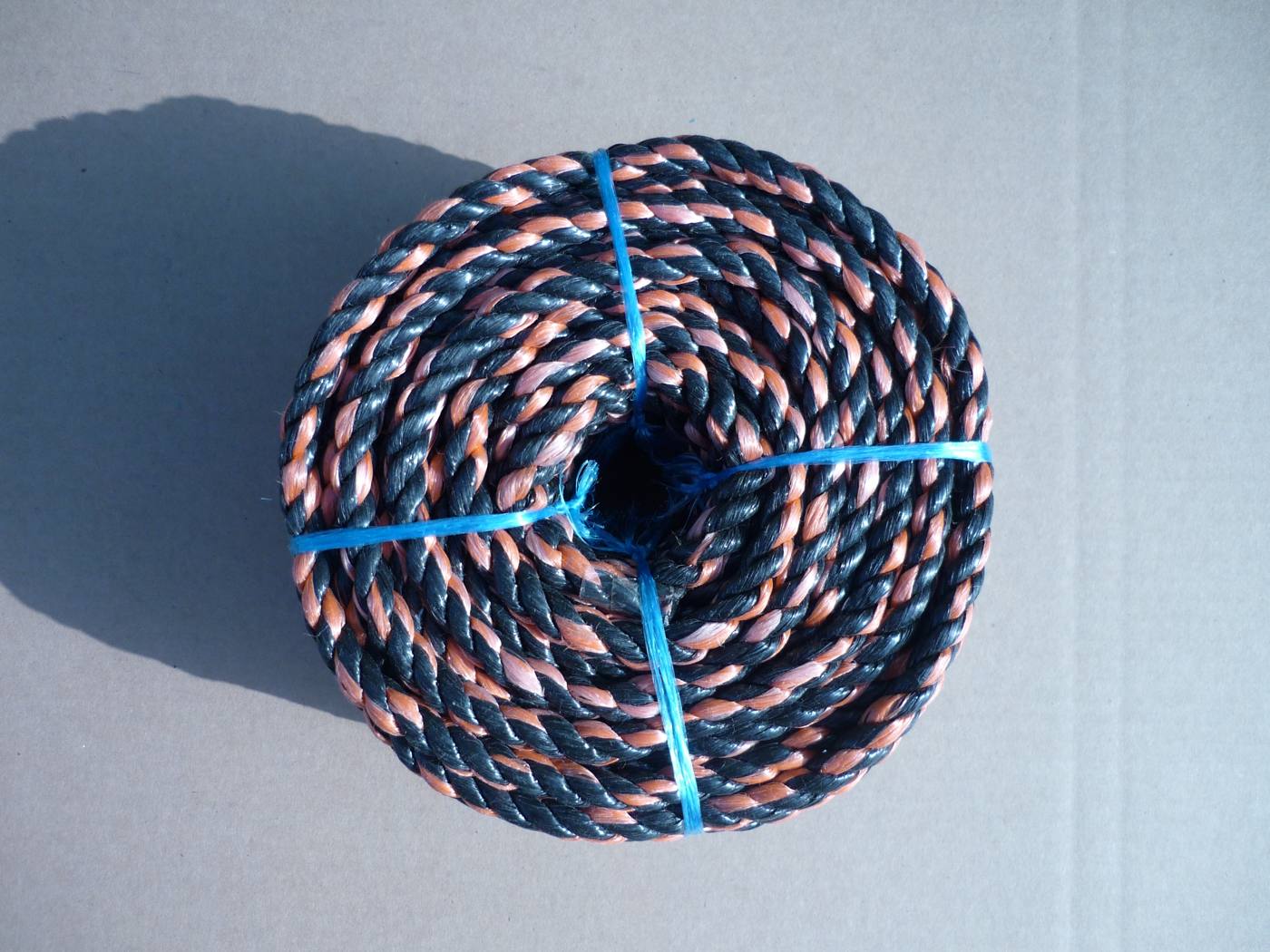
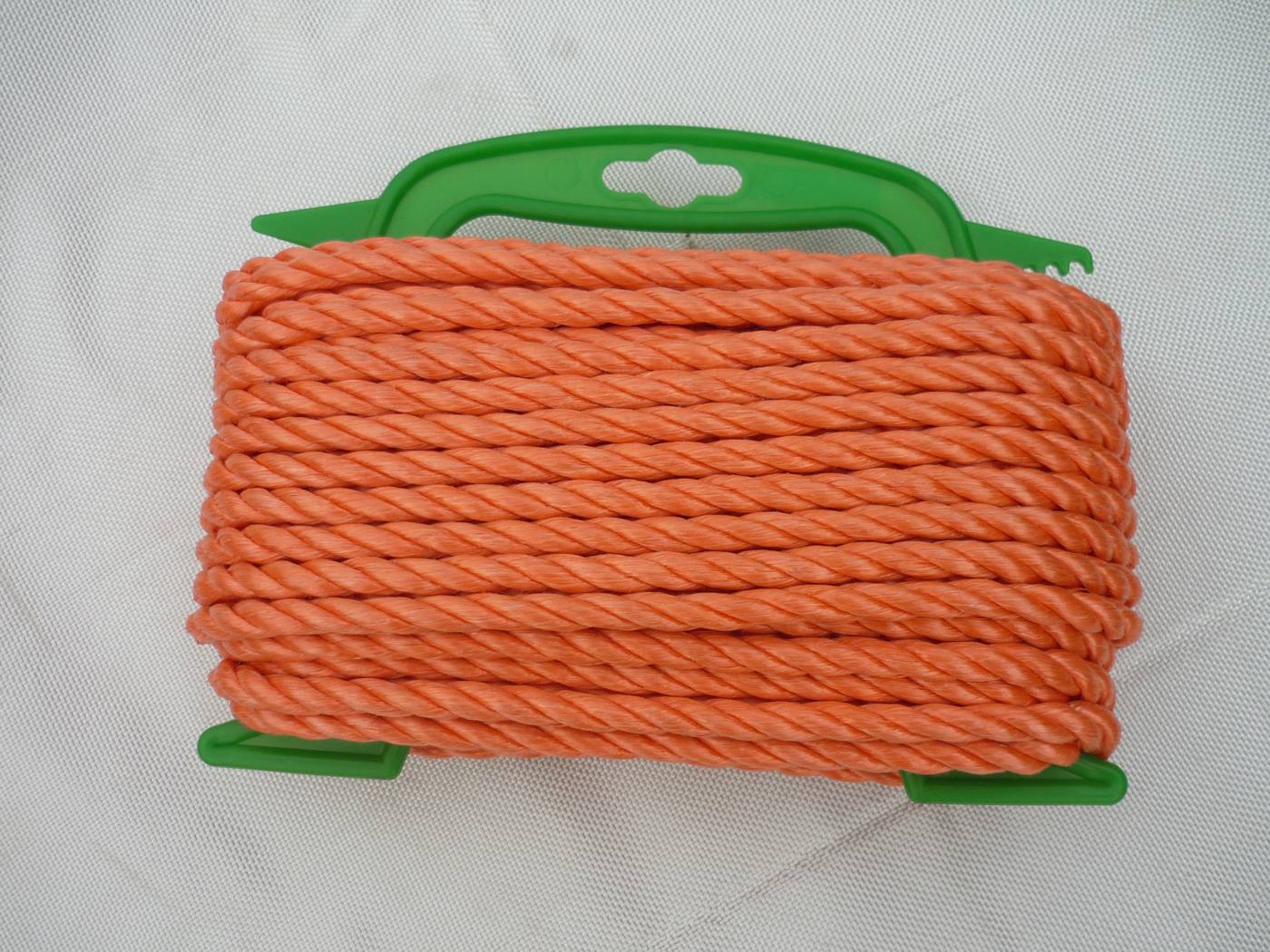
| Polypropylene (PP) | 3 Strand Twisted Rope | Economical high-visibility line for marking, cordoning and site utility |
| Polyamide (Nylon / PA) | 3 Strand Twisted Rope | Elastic cordage where shock absorption matters — general rescue and towing support |
Products for rescue & safety rope
PP Hollow Braided Rope
A core-less braided polypropylene rope used where flexible handling, easy splicing and surface flotation are relevant.
PP Diamond Braided Rope
A soft, flexible braided polypropylene rope with the familiar diamond surface pattern.
PP 3 Strand Twisted Rope
An economical three-strand polypropylene rope used for packing, transport, farm and general utility programs.
Nylon 3 Strand Twisted Rope
Three strands of high-tenacity polyamide twisted into the classic anchor and mooring rope.
Buying tips
- For water rescue throw lines: specify floating fiber (PP/PE) and a length that reaches the victim plus margin
- For fall protection and life-safety use: this is a regulated product class — state explicitly that certified, tested rope is required; it changes material, testing and documentation
- High-visibility fluorescent colors fade faster in direct sun — pair with UV-stabilized material for outdoor emergency kits
- Never substitute general utility rope for a rated life-safety application — check the applicable standard for your region
Need rescue & safety rope quoted?
Describe the job, target product, quantity, packaging and destination so the specification can be reviewed.
Related reading
Breaking Load, Safety Factor and Working Load — What the Numbers Mean
The difference between breaking load, working load and safe working load, why every cordage supplier is reluctant to publish a 'safe' number, and what the right question is to ask.
Twisted Rope vs Braided Rope: A Buyer's Comparison
Twisted rope is cheaper and spliceable; braided rope handles better and never kinks. Which construction fits your application — and what each costs you.
How to Choose Rope Diameter (Without a Strength Table)
Diameter is about handling, hardware fit and abrasion allowance as much as strength. Practical diameter ranges by job — and why 'thicker' is not always 'safer'.