Application
Baler Twine
Purpose-made PP split film twine for hay, straw and forage baling — sized to the baler knotter, the bale weight and the storage time.
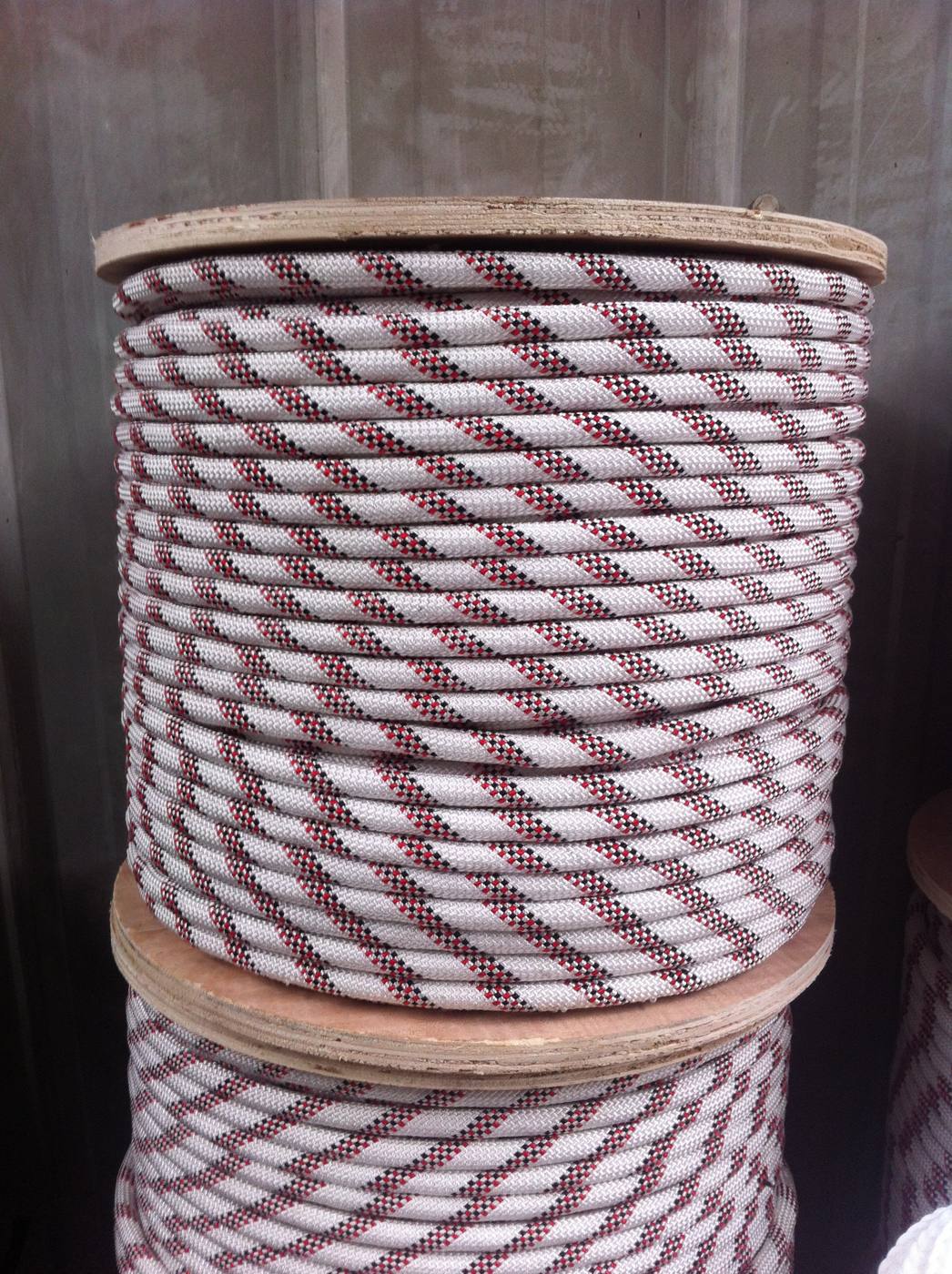
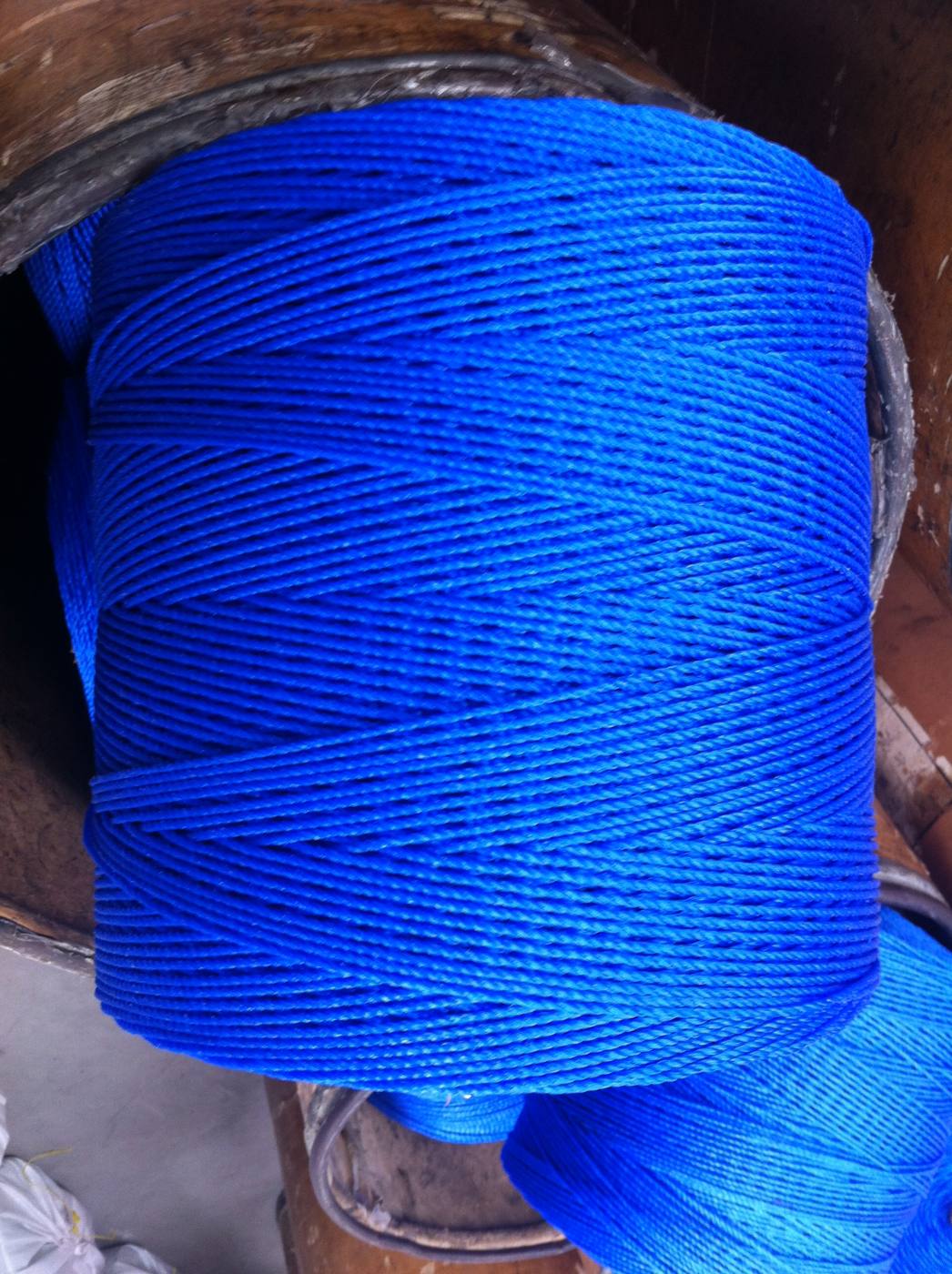
What this application actually demands
- Correct twine size (m/kg) and knot strength for the baler knotter
- UV stabilization for field-cured or outdoor-stored bales
- Consistent, knot-free spooling to avoid missed ties
- Ball/spool format matched to the baler twine box
Recommended combinations
| Material | Construction | Why it fits |
|---|---|---|
| Polypropylene (PP) | Split Film Twine | The global standard — economical, rot-proof, runs in all common knotters |
Products for baler twine
PP Baler Twine
Purpose-made split film twine for hay, straw and forage baling: consistent, knot-free spooling and controlled knot strength so the baler ties every time.
PP Split Film Twine (Packing Twine)
Flat polypropylene film, slit and twisted into the most economical tying product in the industry.
Buying tips
- Specify: baler make/model (or knotter type), crop, bale weight/density, storage time outdoors
- Heavier bales and silage need heavier twine (lower m/kg); small square bales use finer twine
- One failed knot costs more than a spool of good twine — consistency beats price
Need baler twine quoted?
Describe the job, target product, quantity, packaging and destination so the specification can be reviewed.
Related reading
Baler Twine Sizes and Runlength: How to Specify for the Baler and the Crop
How to choose the right baler twine: matching the runlength (m/kg) to the baler knotter, the crop and the bale weight, and what to put in the RFQ.
How Rope and Twine Are Measured: Diameter, Runlength, Denier
Why diameter alone does not describe a rope, and how to read runlength, denier, ply, tex and runnage on a supplier's spec sheet.
Rope Packaging Options: Coils, Reels, Spools, Balls and Retail Packs
Packaging format affects freight cost, handling, retail readiness and price. The main formats for rope and twine — and how to choose the right one for your channel.