Construction · braided
8 Strand Plaited Rope
Eight strands plaited in pairs — a square-ish, torque-free large-diameter rope. The workhorse mooring construction for commercial marine.
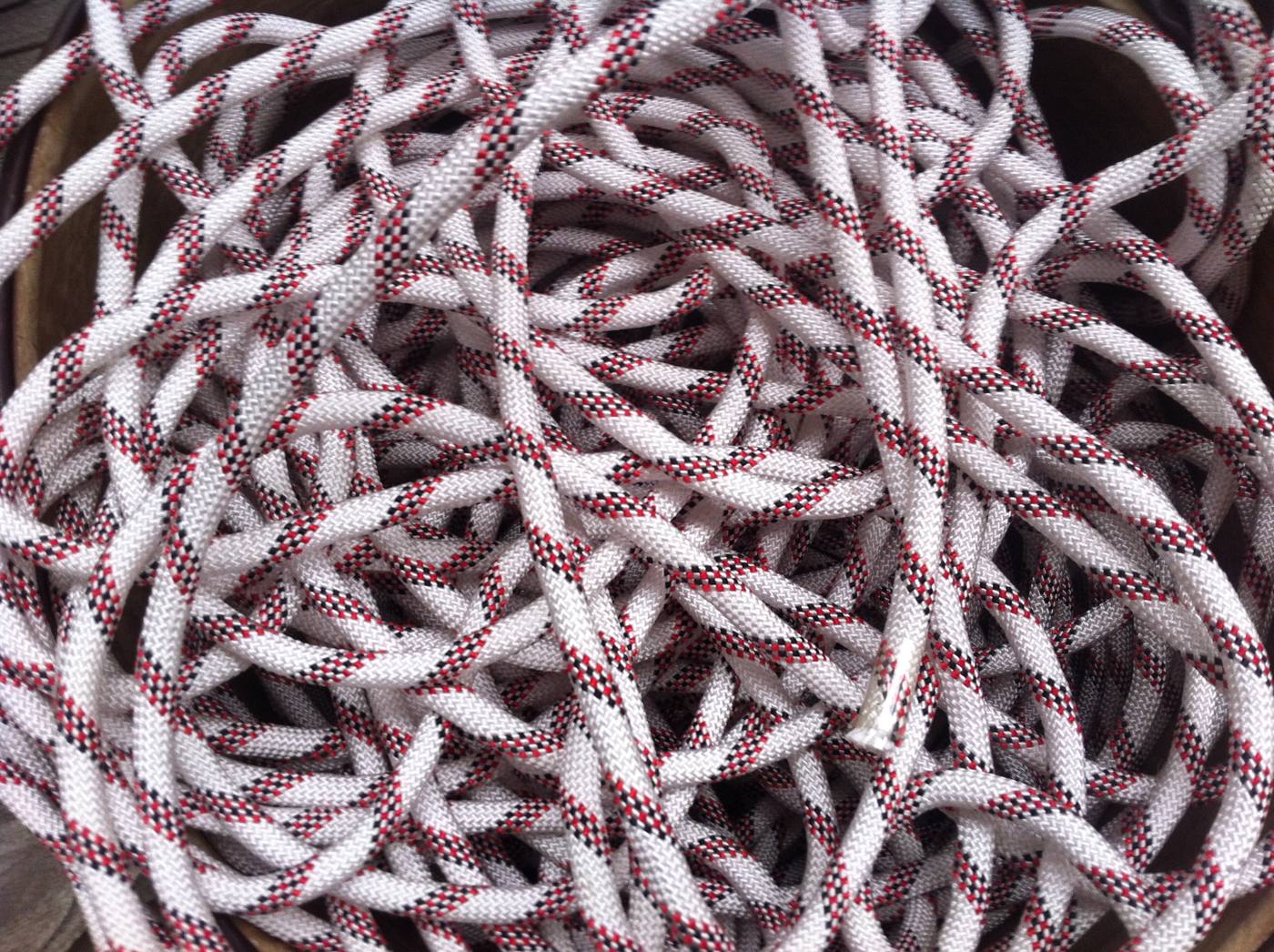
How it is built
Four pairs of strands plaited over-and-under, giving a balanced, non-rotating rope with a characteristically square cross-section before it beds in.
How it handles
Flexible for its size, torque-free, grips winch drums well. The standard large mooring rope construction in PP multifilament and nylon.
| 20 mm – 96 mm |
Structure illustration placeholder — technical drawing will be added.
Strengths
- Torque-free in large diameters
- Good flexibility and energy absorption for mooring
- Easy to inspect; splices with standard plaited-rope methods
- Economical in PP multifilament for big diameters
Limitations
- Square profile until bedded in
- Surface snag-prone compared with jacketed braids
- Mainly a large-diameter construction
Common uses
Ready to discuss this product?
Send the target size, length, quantity, packaging and destination for specification review.
Common materials for this construction
Polypropylene Rope
The most widely used synthetic rope fiber: lightweight, floats on water, rot-proof and economical. The default choice for packing, marine utility and agriculture.
Nylon Rope
The strongest of the common synthetic rope fibers, with high elasticity that absorbs shock loads — the classic choice for anchor, mooring and dock lines.
Polyester Rope
Low stretch, excellent UV and abrasion resistance, keeps its strength when wet — the reference fiber for long-term outdoor and marine rigging.
Products with this construction
Related reading
Marine Rope Buying Guide: Anchor, Mooring, Dock & Utility Lines
Nylon for shock absorption, PP for floating, polyester for position holding — how to choose marine rope by line function, with specification tips for mooring RFQs.
Twisted Rope vs Braided Rope: A Buyer's Comparison
Twisted rope is cheaper and spliceable; braided rope handles better and never kinks. Which construction fits your application — and what each costs you.